How to Successfully Implement Reusable Theatre Caps: A Practical Guide
Everything you need to know about rolling out sustainable theatre headwear in your department


You've made the decision to switch from disposable to reusable theatre caps. The business case is approved, the budget is allocated, and you're ready to make sustainable practice a reality in your operating theatres. But where do you actually start? Implementation matters as much as the decision itself, and getting it right ensures lasting success.
This guide covers the practical steps from initial planning through to established routine, drawing on lessons learned from successful implementations across NHS trusts.
The Step-by-Step Implementation Process
Engage Your Stakeholders Early
Change initiatives succeed when people feel involved rather than imposed upon. Before ordering your first batch of caps, identify key stakeholders: theatre managers, infection prevention and control teams, laundry services, and crucially, the staff who'll be wearing them every day. Hold informal conversations to understand concerns and preferences. Their input will help you anticipate challenges and design solutions before they become problems.
Work with Infection Prevention from the Start
Your infection prevention and control (IPC) team must be partners in this project from the start. They need to understand how the caps will be laundered, what temperature cycles ensure proper decontamination, and how the process integrates with existing laundry protocols. Provide your IPC team with the technical specifications and laundering guidelines. Their sign-off gives confidence to the wider team and addresses one of the most common concerns about reusables.
Plan Your Laundry Integration
Whether you use in-house laundry services or contract externally, the cap laundering process needs to be established before rollout. Discuss volumes, turnaround times, and collection points with your laundry provider. Think about the physical infrastructure too — where will used caps be collected in theatre? How will clean caps be stored and distributed? Simple systems work best. A clearly labelled collection bin and a well-stocked distribution point near the changing rooms can make the difference between smooth adoption and daily frustration.
Choose the Right Sizing and Styles
Theatre staff have diverse needs. Some have long hair that needs containing; others wear religious head coverings that require specific styles. Request sample packs with different styles and sizes before placing a bulk order. Let staff try them and provide feedback. The small investment in getting sizing right pays dividends in adoption rates. When people have caps that fit comfortably and accommodate their hair, they'll choose them willingly.
Run a Pilot in Willing Theatres
Rather than attempting a trust-wide launch on day one, start with a pilot in theatres where there's enthusiasm for the change. Identify theatre teams who have staff champions and supportive managers. Success in these areas creates positive word-of-mouth and demonstrates that the system works in your specific context. During the pilot, gather data and feedback systematically: cap usage, laundry turnaround, and any practical issues that emerge.
Communicate the Why, Not Just the What
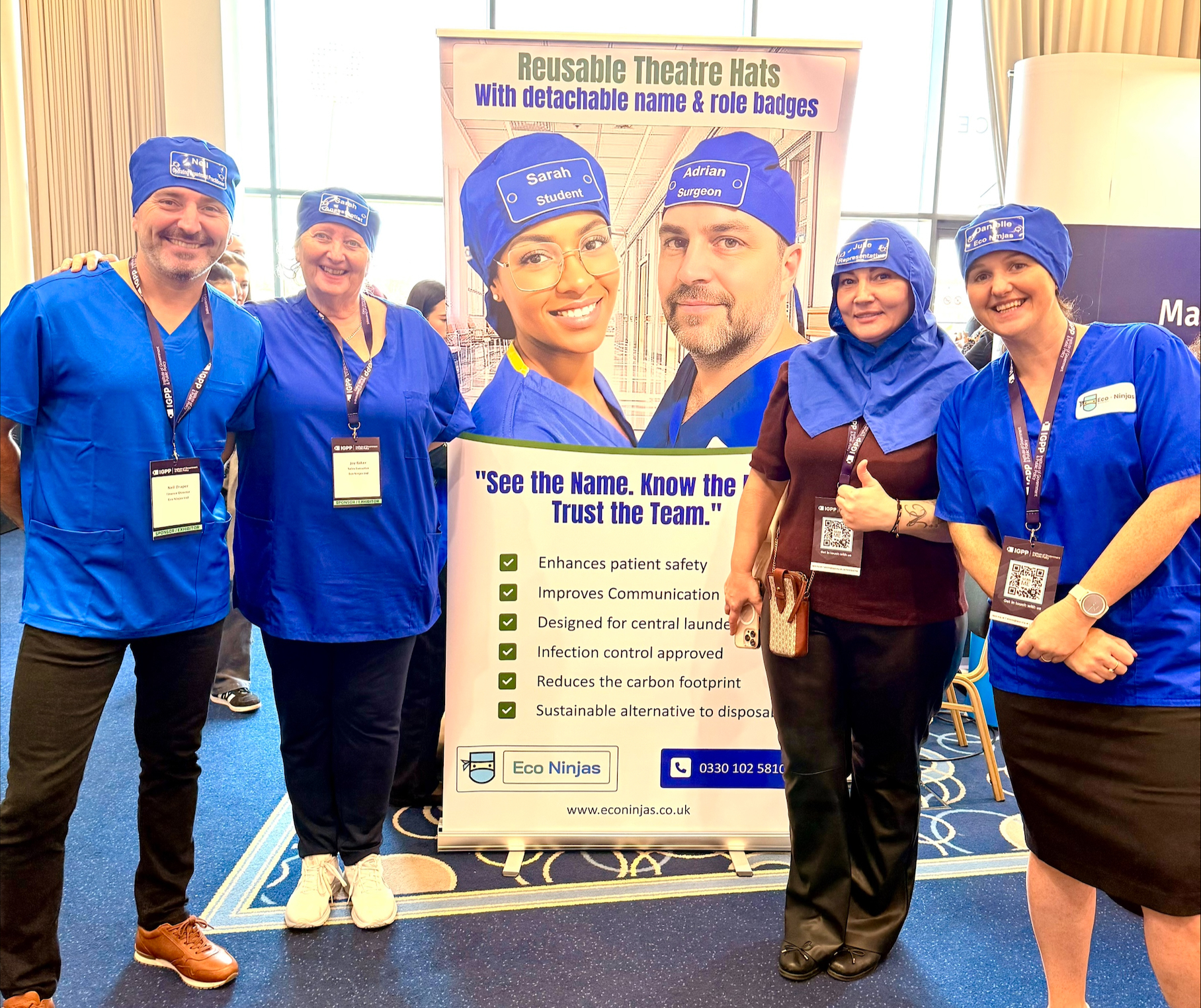
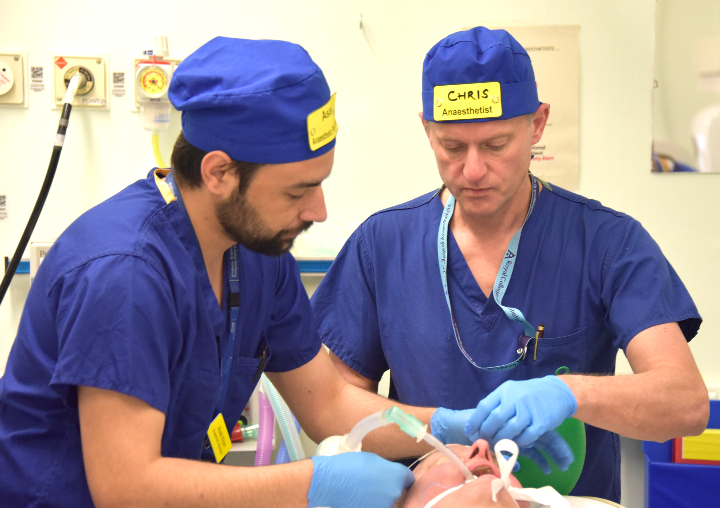
People engage more willingly with changes they understand. Don't just tell staff there are new caps in the changing room — explain why you're making the switch. Share the environmental benefits, the cost savings, and the patient safety improvements from visible name badges. You can also involve patients directly. Many patients describe not knowing the names or roles of theatre staff as unsettling at their most vulnerable moment. One simple change — wearing a cap with a clearly visible name and role — can make a profound difference to how safe a patient feels.
Support Your Champions
Every successful change initiative has champions — individuals who embrace the new approach and encourage colleagues to do the same. Identify these people in your theatre teams and give them the support they need. Provide them with information to answer questions, acknowledge their contribution, and use their insights to refine your approach. Often the most effective advocates are peers who can speak authentically about their own experience.
What to Expect: A Realistic Timeline
Most trusts complete full implementation within 3–4 weeks. Somerset NHS Foundation Trust achieved full rollout across 500+ theatre staff in just 3 weeks — and saw 96% staff recognition rates almost immediately.
Week 1–2 covers stakeholder engagement, IPC sign-off, laundry planning, and sample testing. Week 2–3 is the pilot phase — one or two theatres, gathering feedback and refining the process. Week 3–4 is full rollout, with staff training, badge production, and the transition away from disposables. After that, the system simply becomes routine — like any other aspect of theatre operations.
We're With You Every Step
Eco Ninjas provides comprehensive implementation support — from sample packs and sizing guidance to SOP documentation, infection control resources, and on-site training where needed. You don't have to figure this out alone. Our team has guided dozens of NHS trusts through this process and knows what works.